 Whole Wild World
- Programme
- Urban Rewilding
- Place
- Gibraltar
- Partner
- Gibraltar Horticultural Society
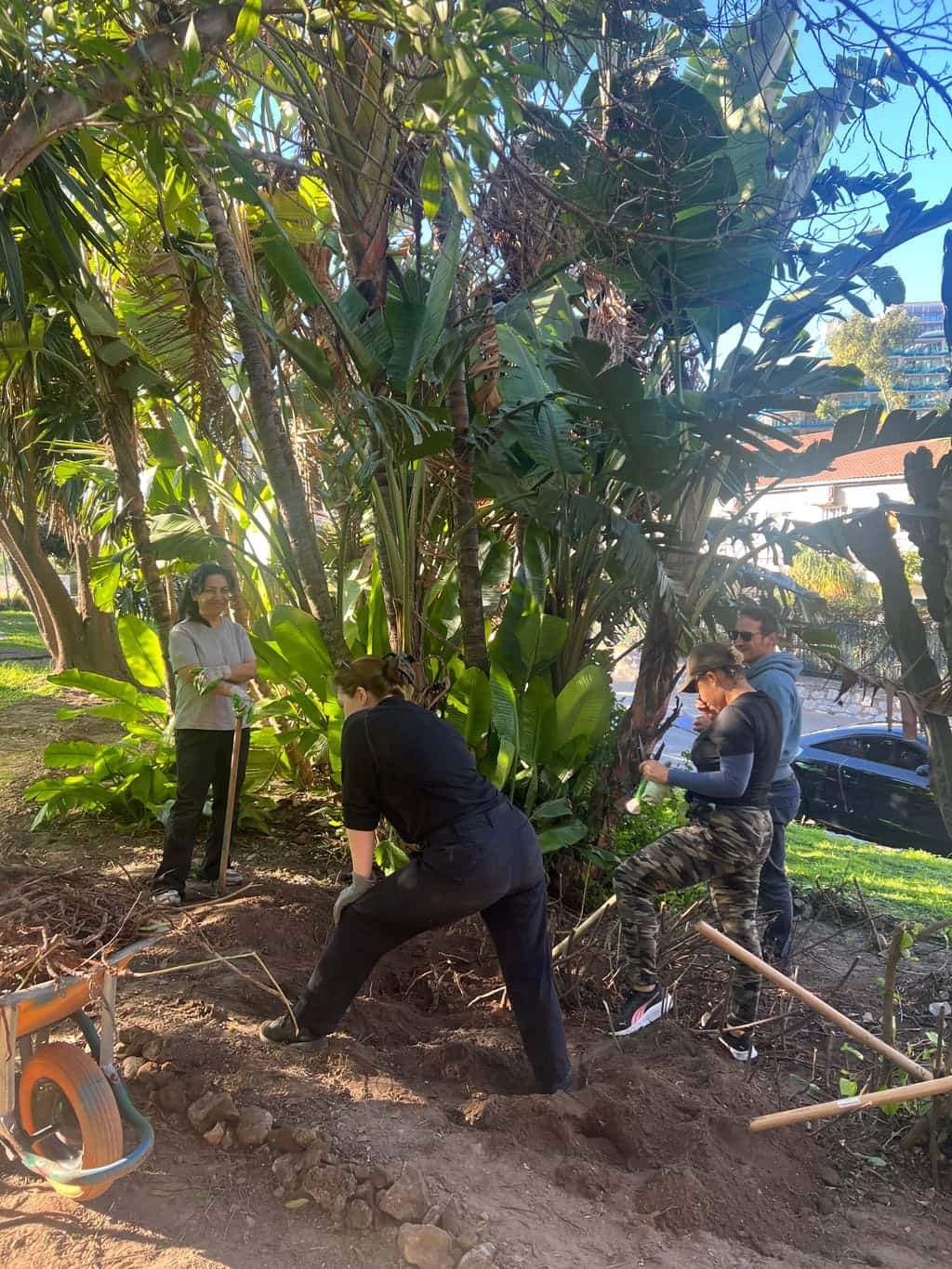
Miyawaki-method mini forests — dense, native, and viable on plots from 100 m². Sometimes smaller.
Mini forests →Our Work
Mini forests in Gibraltar, mosaic benches at Europa Point, wild land in the Algarve, partners in Uganda. Everything on this page is real, photographed, and named.
Miyawaki-method mini forests — dense, native, and viable on plots from 100 m². Sometimes smaller.
Mini forests →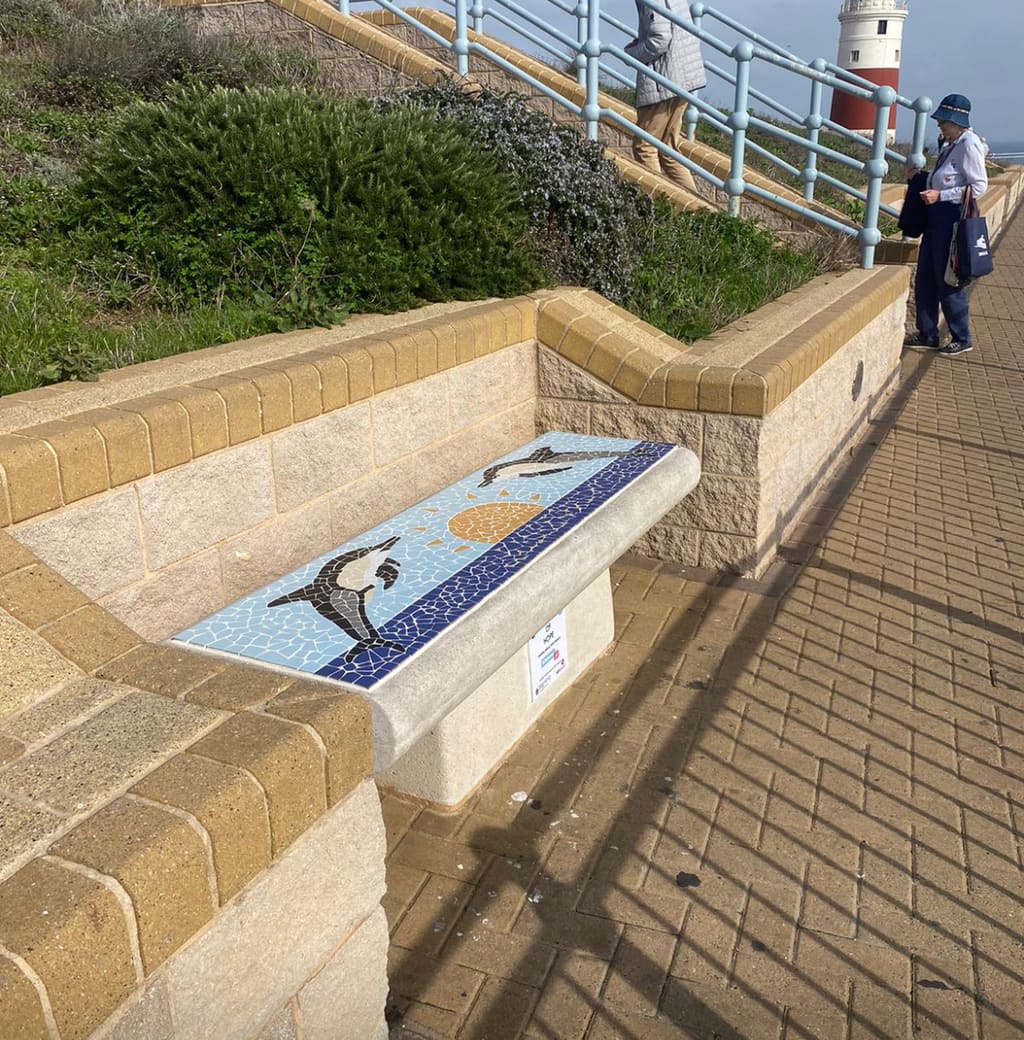
Four mosaic benches installed. Each carries one native species and one line about coming back from something.
The four benches →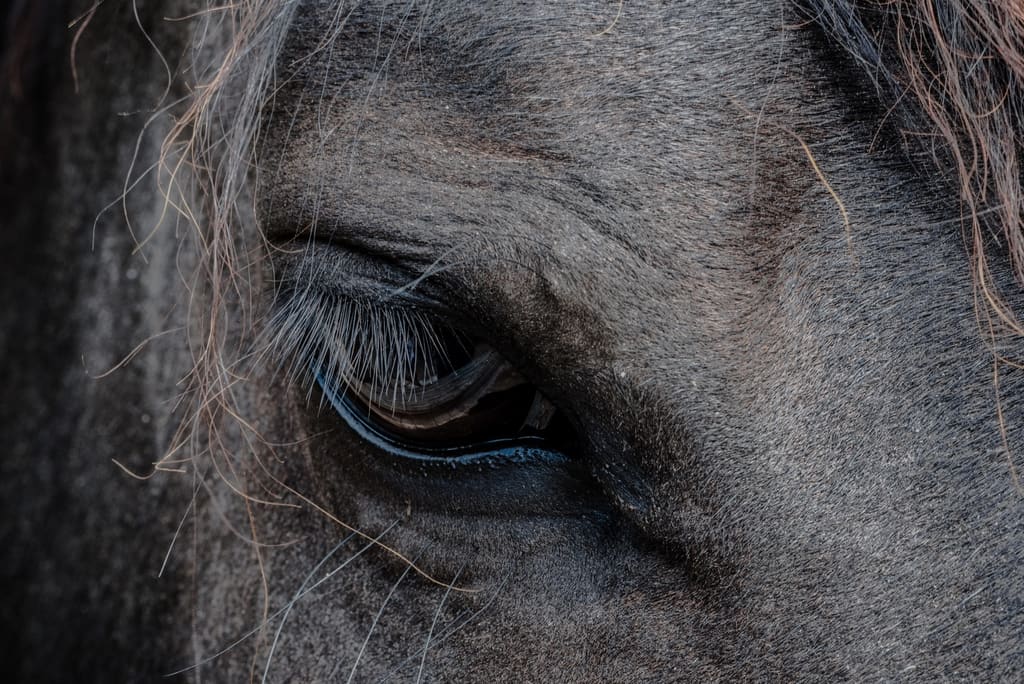
Wild Sorraia horses, deer, otters, vultures — and the critically endangered Iberian lynx. The land the city forests are connected to.
The foundation site →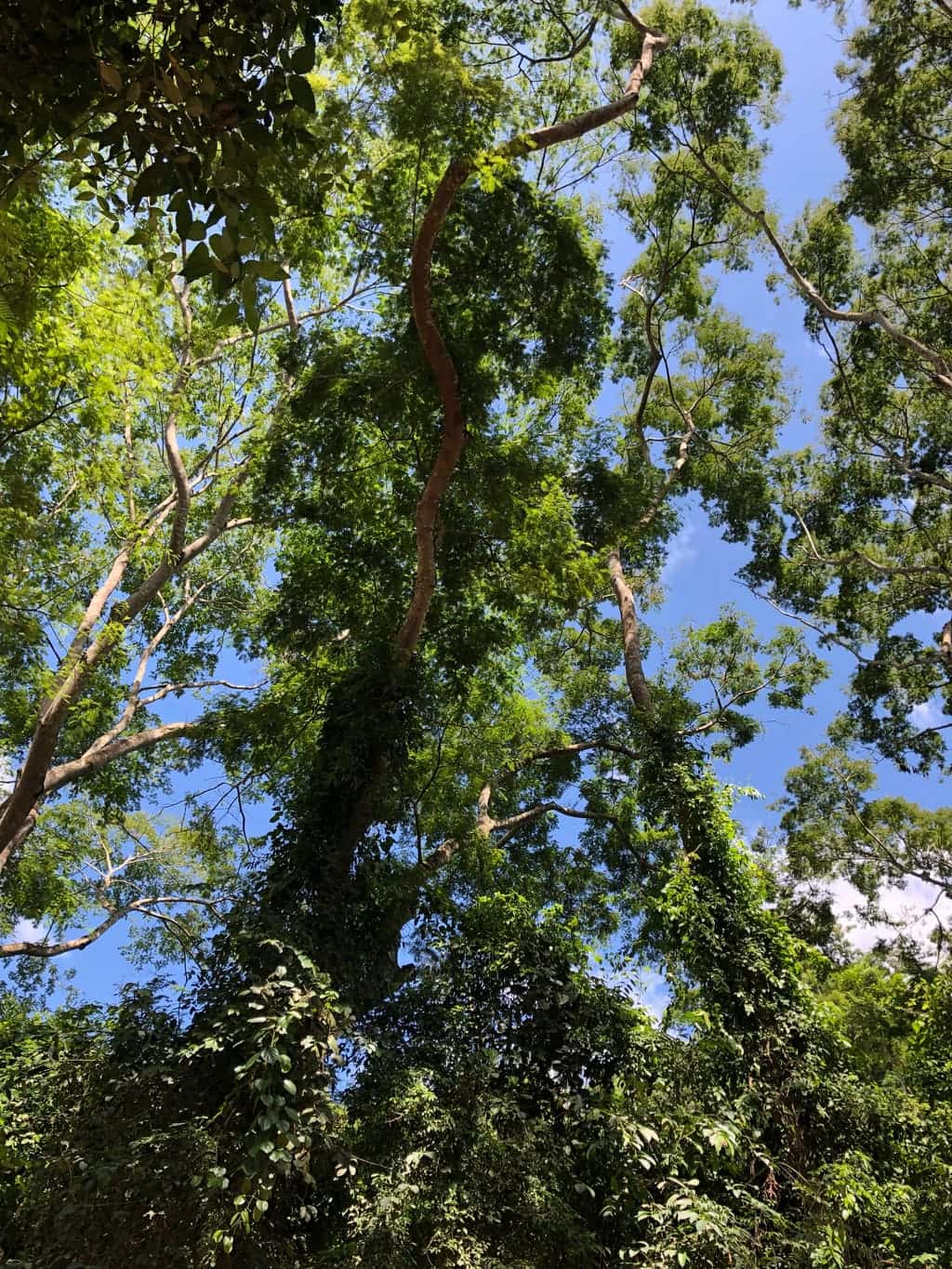
Every city mini forest is linked to a rural rewilding, agroforestry or conservation project. Local roots, global impact.
The linking model →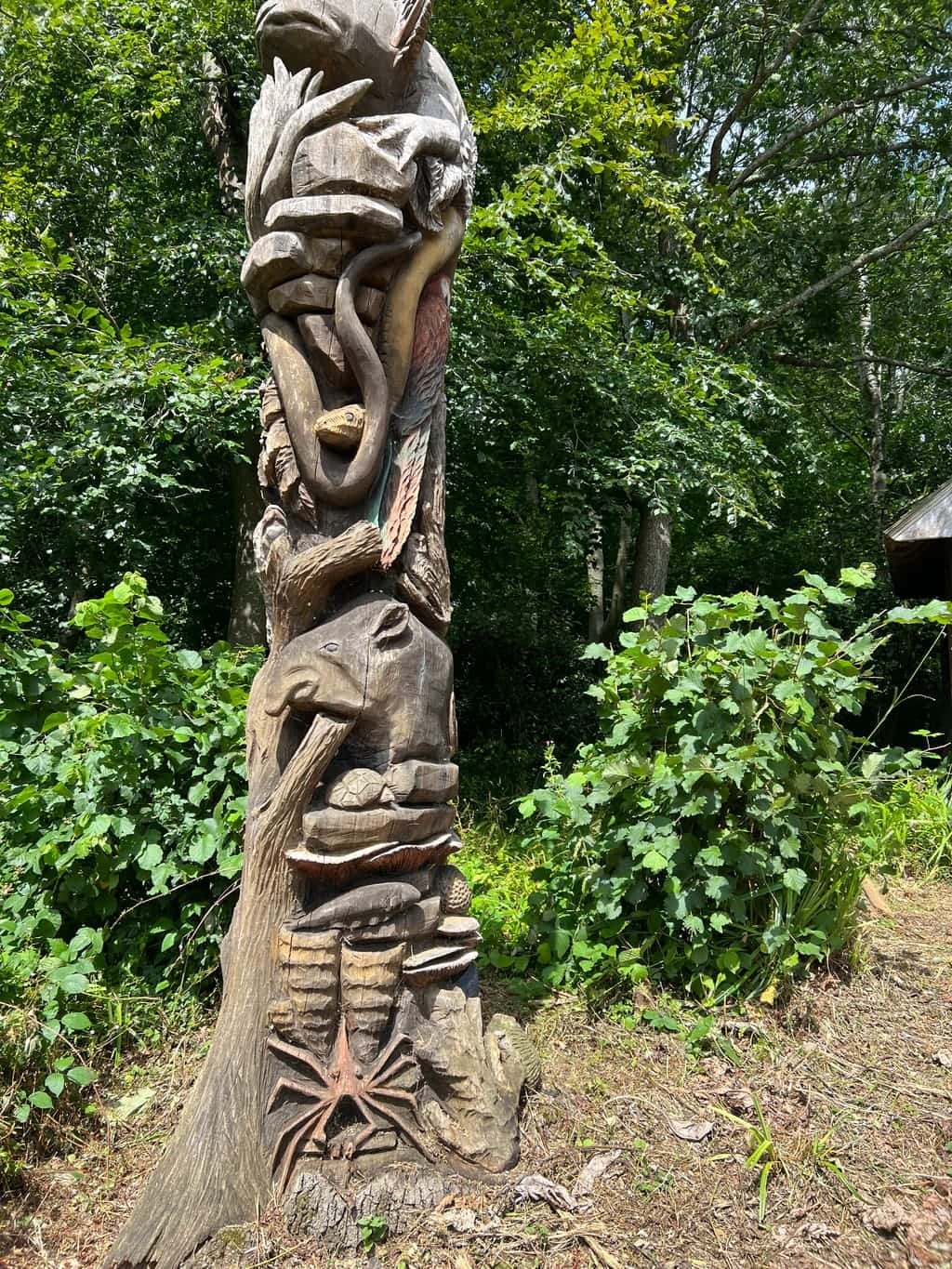
Installation art in wild spaces — tree carving, land art, and the Art in Nature competition.
Art in wild spaces →New · Living Trails
Living Trails puts QR codes on trees in Gibraltar. Scan one and it opens a page for that tree — the species, its story, and the forest it stands in.
It is being built now, alongside this site, so that a person standing in front of a real tree can read about that exact tree — not trees in general.